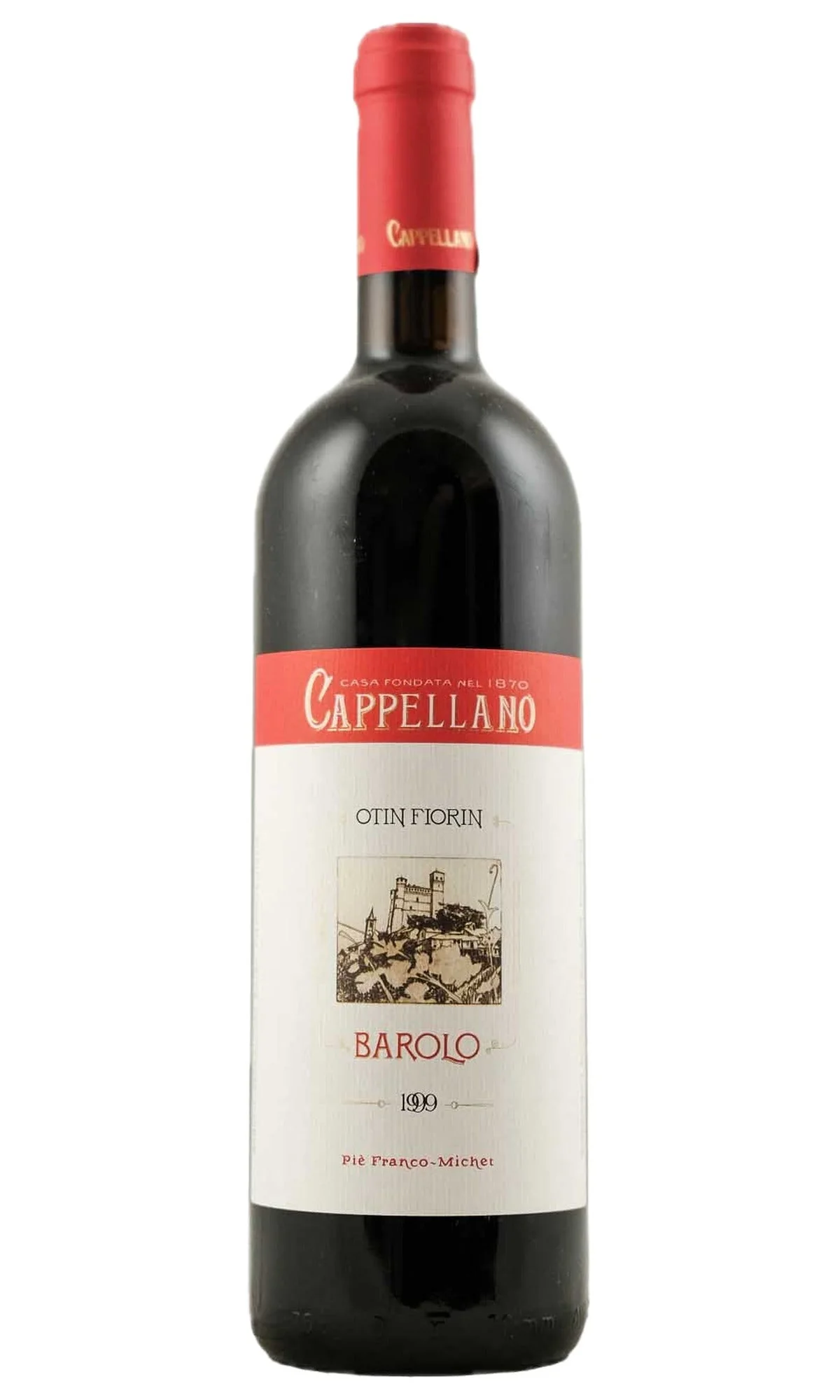
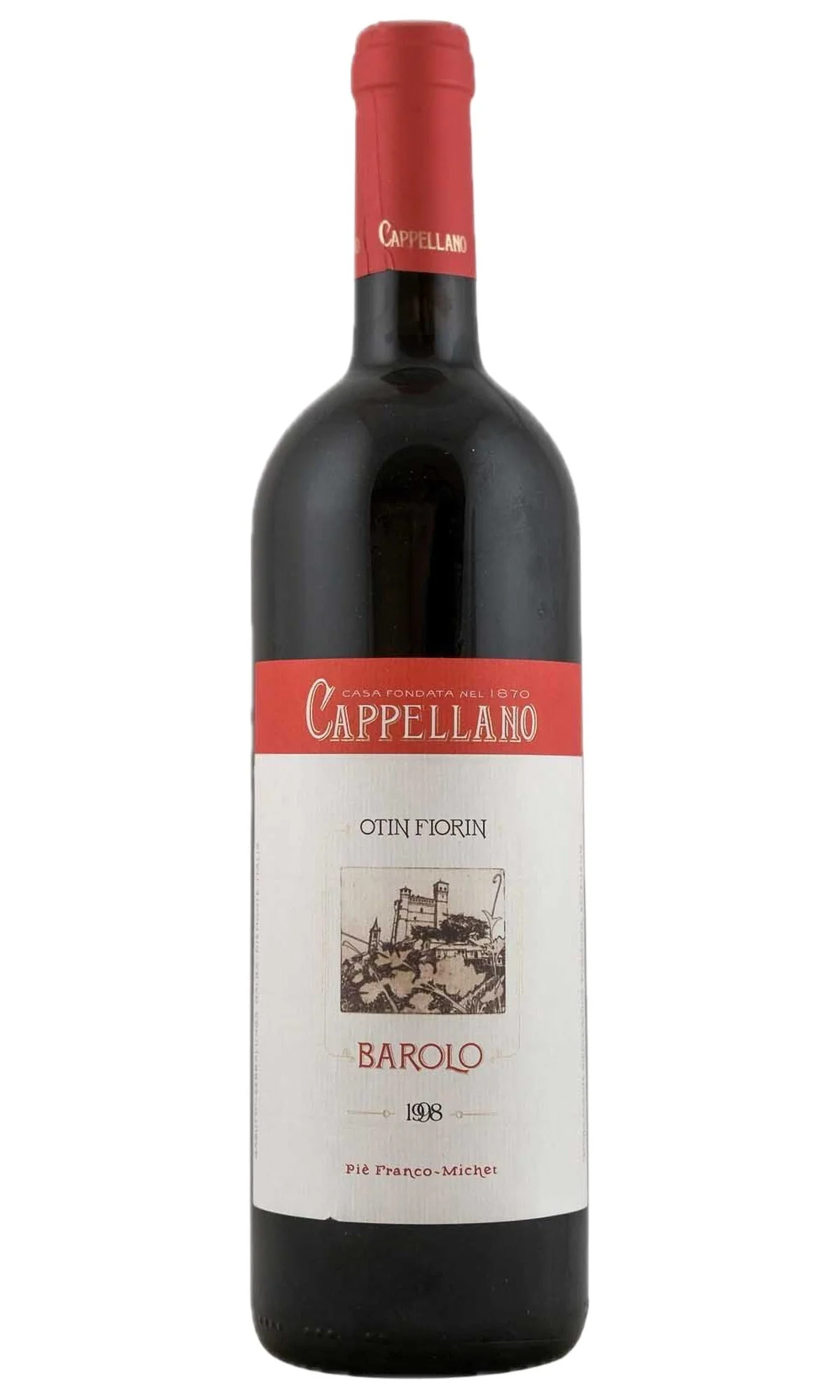
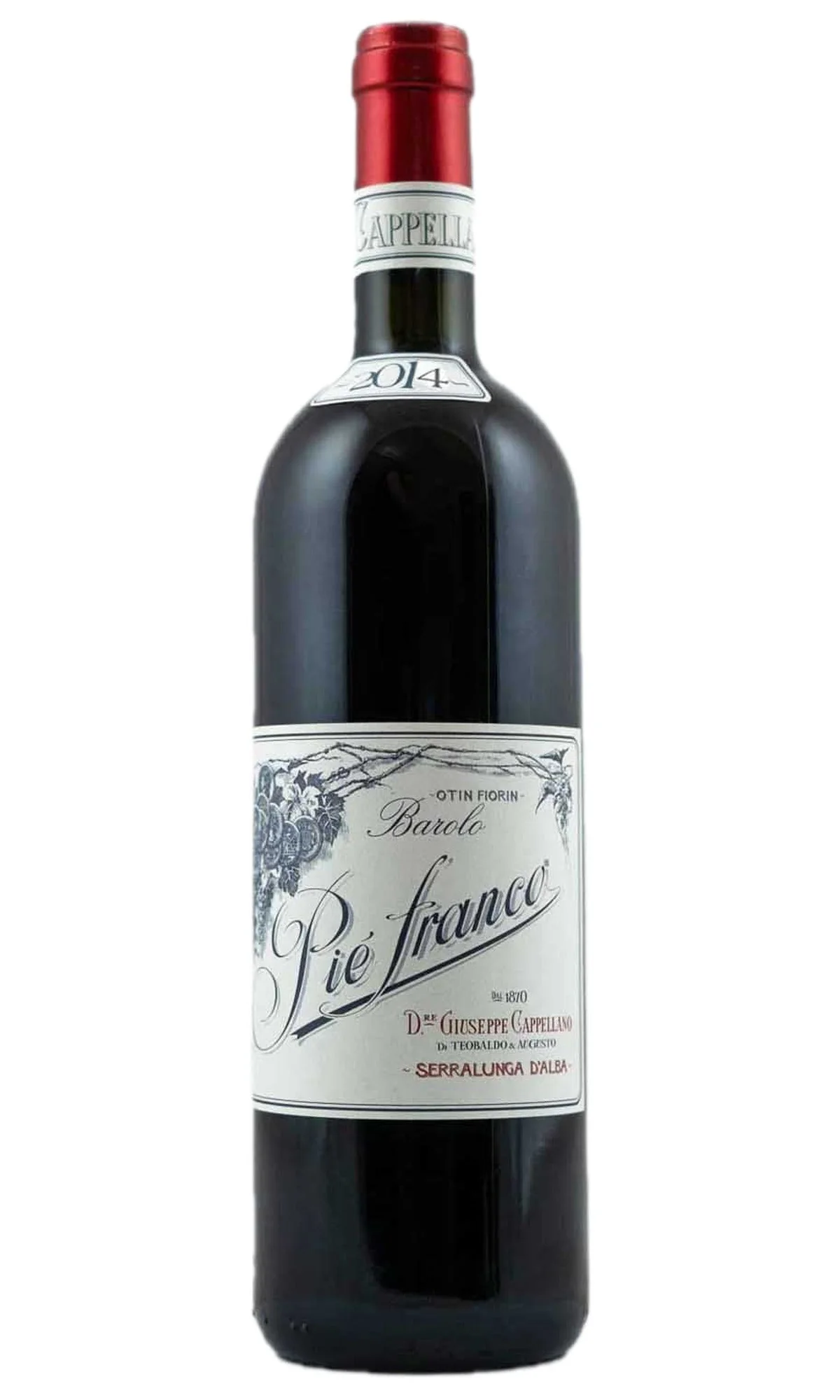
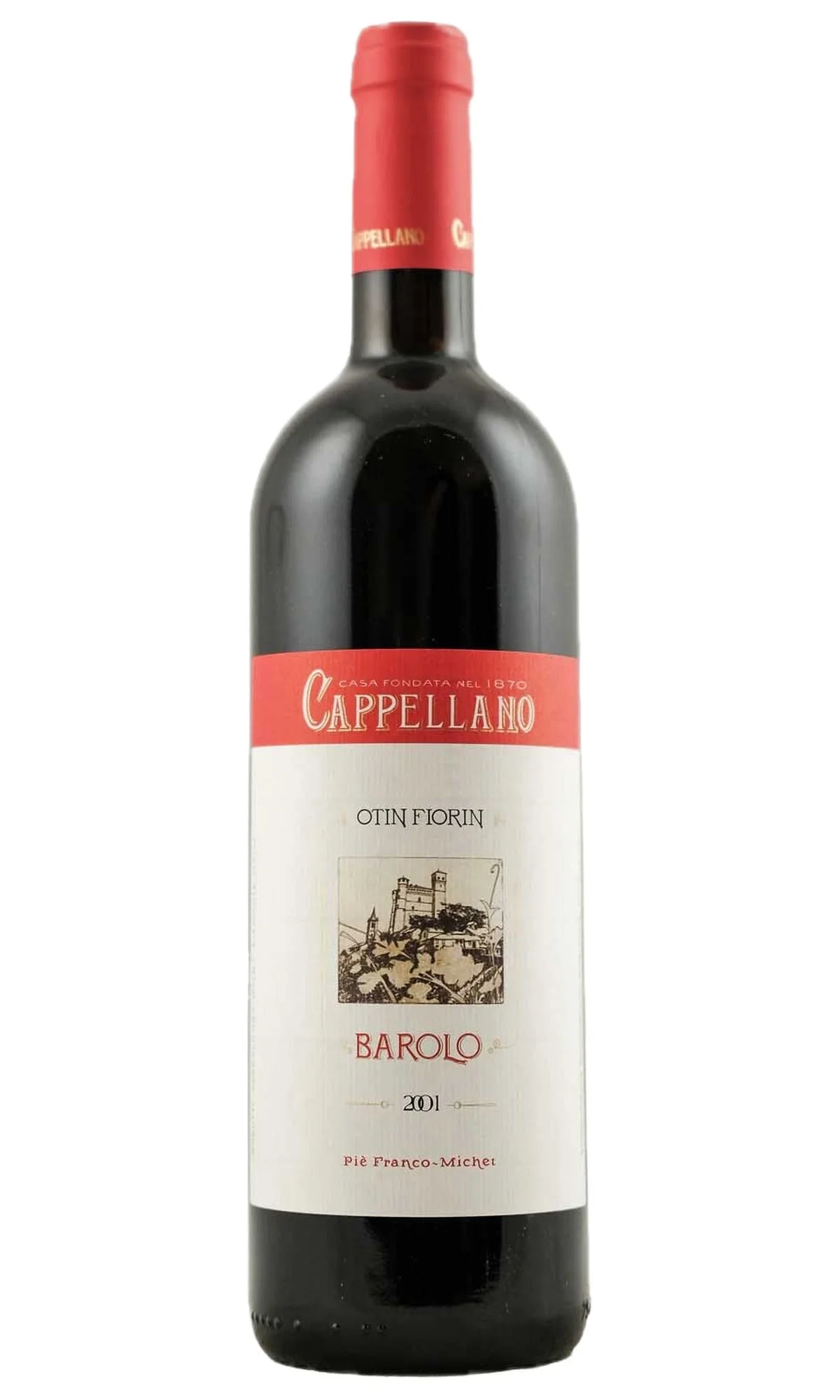
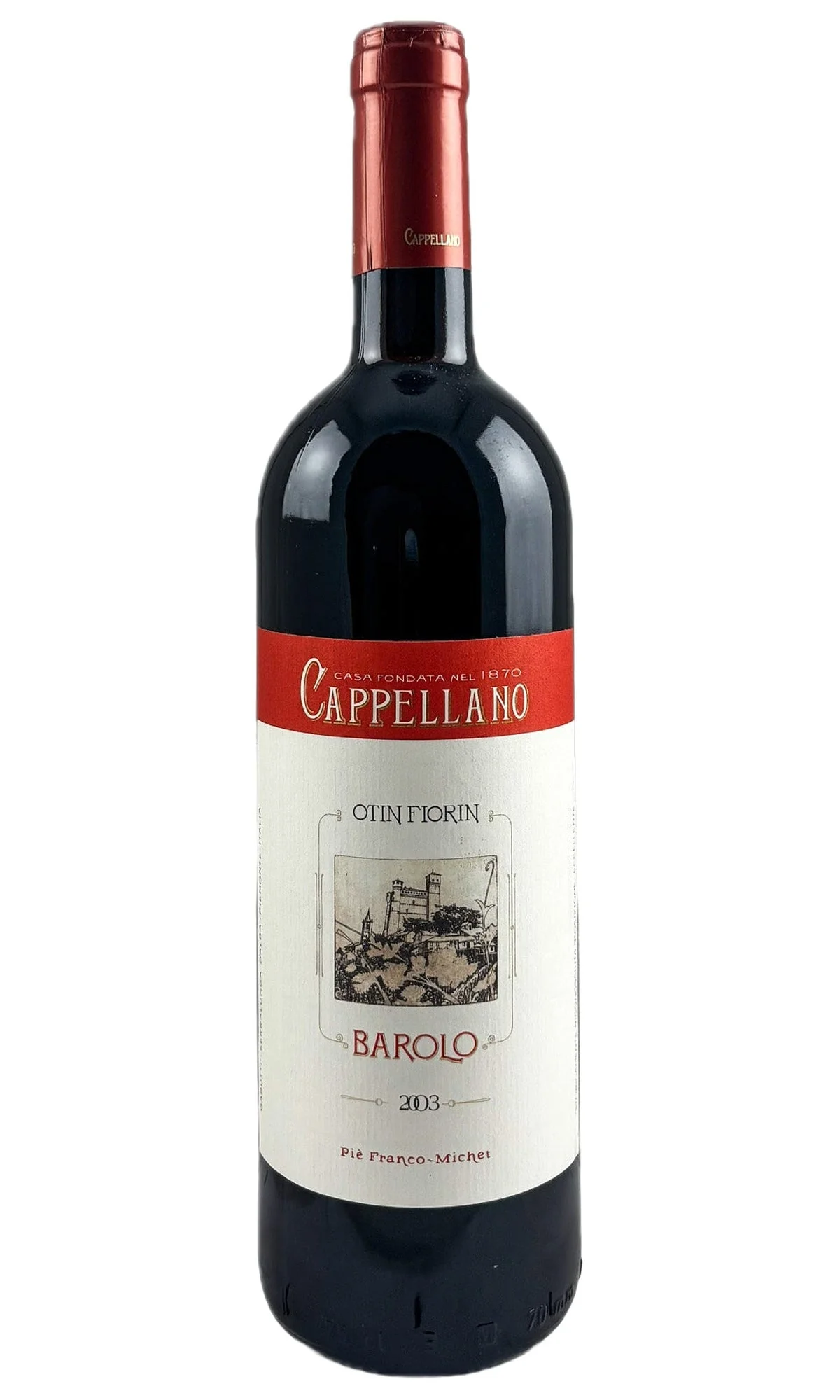
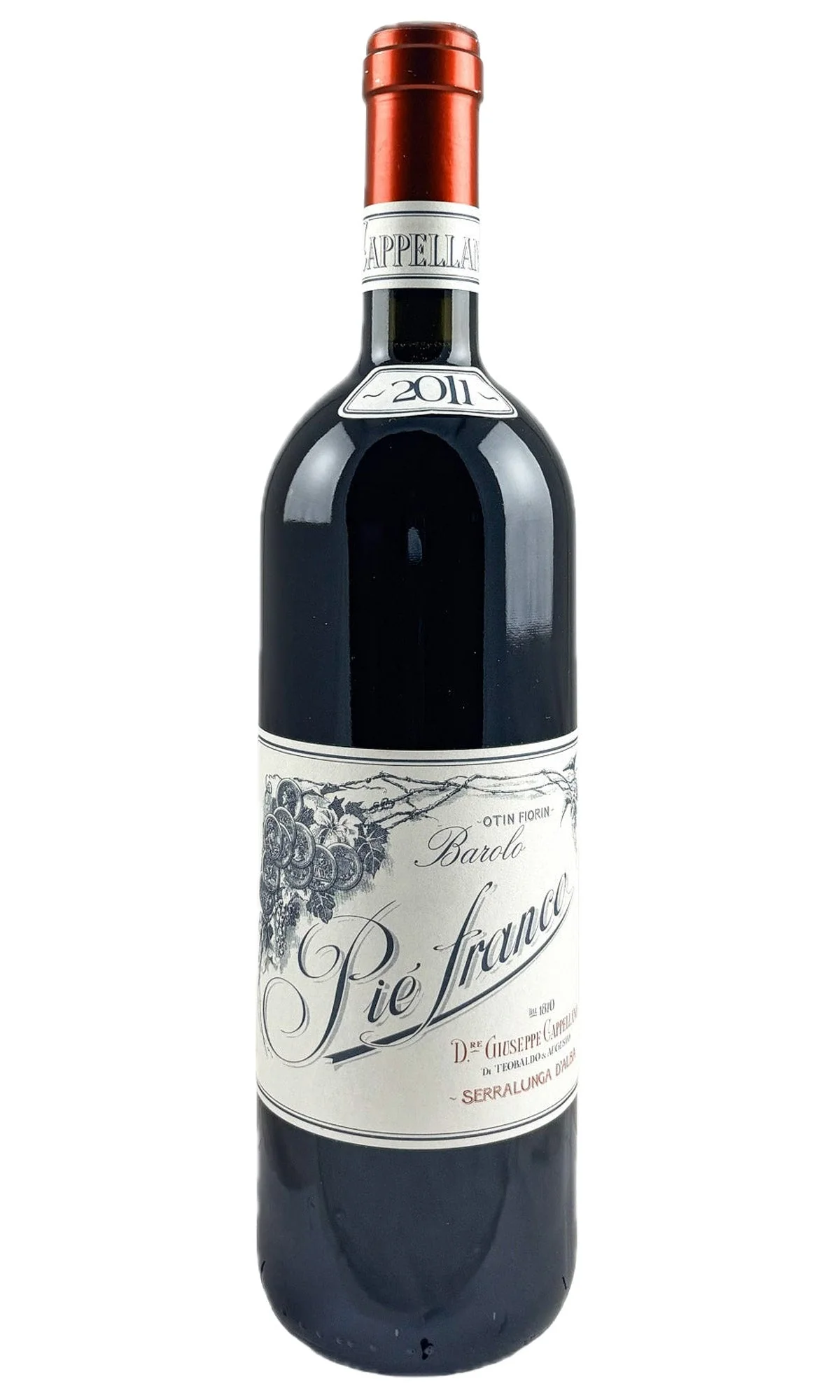
Cappellano, Barolo Pie Rupestris, 2009
Filippo Cappellano, a lawyer, founded this estate in 1870, gradually acquiring 60 hectares—the main square in Serralunga d'Alba bears the family name. Augusto Cappellano, fifth generation, succeeded his father Teobaldo (one of Barolo's most outspoken traditionalists) in 2009. The estate is "one of Barolo's most legendary producers, producing ultra-traditional styles of Nebbiolo." The Gabutti vineyard's four hectares in Serralunga sit on limestone-rich clay soils—"there is more limestone in Serralunga than anywhere else"—giving immense structure and age-worthiness. Winemaking eschews modern interventions: indigenous yeast fermentation in cement tanks and open-top Slavonian casks for 14-21 days, aging three years minimum in old botti, bottled unfiltered and unfined. Piè Rupestris represents vines planted on grafted rootstock in the 1940s. The 2009 was a warm, challenging vintage with variable results—quality depended on individual winemaking decisions. Cappellano's traditional approach preserved Nebbiolo character. Rich, generous, built for decades.
Product Information
Product Information
Shipping & Returns
Shipping & Returns
Description
Filippo Cappellano, a lawyer, founded this estate in 1870, gradually acquiring 60 hectares—the main square in Serralunga d'Alba bears the family name. Augusto Cappellano, fifth generation, succeeded his father Teobaldo (one of Barolo's most outspoken traditionalists) in 2009. The estate is "one of Barolo's most legendary producers, producing ultra-traditional styles of Nebbiolo." The Gabutti vineyard's four hectares in Serralunga sit on limestone-rich clay soils—"there is more limestone in Serralunga than anywhere else"—giving immense structure and age-worthiness. Winemaking eschews modern interventions: indigenous yeast fermentation in cement tanks and open-top Slavonian casks for 14-21 days, aging three years minimum in old botti, bottled unfiltered and unfined. Piè Rupestris represents vines planted on grafted rootstock in the 1940s. The 2009 was a warm, challenging vintage with variable results—quality depended on individual winemaking decisions. Cappellano's traditional approach preserved Nebbiolo character. Rich, generous, built for decades.